• Skip to primary navigation
  • Skip to main content
  • Skip to primary sidebar
  • Facebook
  • RSS
  • Twitter
  • YouTube

Courageously Creative

Be more creative in your own way

  • Home
  • FAQ
  • About
  • David’s Artwork
  • Blog
    • Creating
    • Inspirations
    • Innovation
    • Competitiveness
    • Food
    • Risk taking
    • Painting
    • Future
  • Book

Risk taking

Risk taking

Barriers can be Ladders

January 20, 2011 By David Goldstein

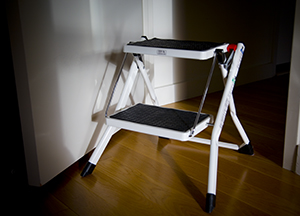
step laddder

Blocking the way or a step up?

You create something that took an hour, a day, or a lifetime and someone comes along and expends five seconds of their time and tells you what you did wrong. It seems much easier (and more fun to some) to stomp on sandcastles than to build one. But sometimes, among the ruins of the castle we can find valuable grains of constructive critics.

Because they are concerned about “What people will say,” many people avoid the risk of creating anything new for fear of criticism, and some are even embarrassed by praise. Sometimes a river is a not an obstacle but a source that sustains life, and sometimes a high wall can be climbed to provide a better view. What people say does not have to be frightening and feedback can enable you to climb.

The first step in sifting out the gold is to qualify the critic. A good question to ask is “did the critic spend an hour, a day, or a lifetime acquiring the knowledge to make their judgments?” If they are knowledgeable in the field, you’re in luck, but sometimes even without a lifetime of knowledge, a critic can be helpful. Even a child can warn that a giant wave is about to crash on your head, but less apt at commenting on your business plan.

Next, can you do anything useful with the advice? Can you use it to improve your project? Or your next project? Like/dislike does not say enough. Is the criticism too late? Is it accurate?

Knowing when to dismiss, delete, and erase from your mind is an important skill. Destructive criticism can be thoughtless, mean and sometimes motivated by other’s agendas and shouldn’t be taken seriously. Much is a matter of opinion where critics unknowingly state their personal values. If their values and objectives happen to coincide with yours, their words could be useful.

Is the criticism given in public or private? Beyond heckles, public criticism is directed to a wider audience and provides information for others: “that was a good movie,” or more qualified, “if you like sci-fi and don’t mind seeing blood,” but not necessary directed toward the producer. Public criticism provides you the chance to respond back to the public, not the critic. “It’s more than sci-fi, it’s also a love story and the violence is limited to one scene.”

To give others useful criticism or advice, speak from your experience and set aside your self-interests. When you receive this kind of criticism, use it to climb the wall for a better view. When there is no feedback, it’s good to assume everyone is deliriously happy.
Adventuring in the International Aisle

January 7, 2011 By David Goldstein

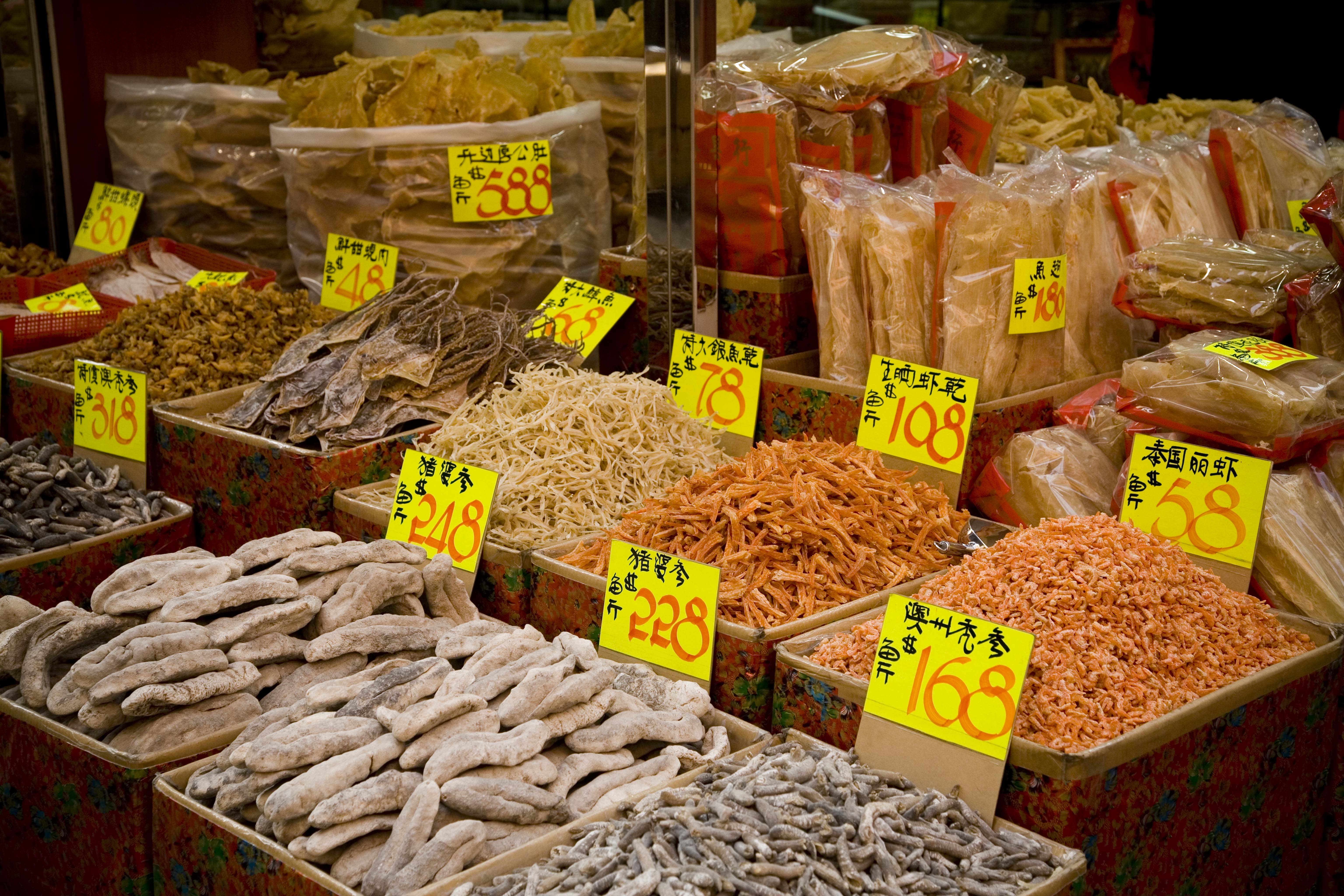
dry food market

Moveable feast

Many of us prepare the same rotation of meals week-after-week and order the same menu item from the same restaurant. When was the last time you tried an entirely new food?

At best, it can be an opportunity to find a new regular and at worst can help you to appreciate your old favorites. When living in Asia, I had the fortune and necessity to try lots of delicious and unidentifiable foods. If you ask what you are eating and are told, there is no English translation; you probably don’t want to know. The Mexican buffet in India was an obvious mistake as were the eggs scrambled with what seemed to be worms – they happened to be very tasty and the Chinese waiter assured me they were “small fish” – my fever broke after only five weeks.

Why are small fish more palatable than worms?   Reframing questions and being open to new experiences leads to creativity. In Hong Kong on each trip to the market, I would buy at least one new ingredient – then Google the name to figure out how it could be used. Some of the foods I adopted can’t be easily found in the US but here are some less exotic ones that can:

Pomelo kind of like a grape fruit but not as sour, great in salads with feta/lime/peanuts

Miso Paste – for sauces.

Edamame beans in shells – steamed with a shake of salt.

Daikon radish – shredded raw or boiled for turnip cakes.

Kaffir lime leaves – For Thai food – Remove leaves before serving.

Rooibos – Caffeine free tea from South Africa.
Try a new restaurant, and new menu item, or a pick up a new ingredient in the international aisle of your local market. What is the most unusual food that you like?

Calculated risks: Start in the tide pool before venturing into the ocean

October 26, 2010 By David Goldstein

Calculated risks: Start in the tide pool before venturing into the ocean

Creating something new is risky! People may laugh; your idea may not work, costing you time and money. A simple step of calculating the risk beforehand can help you to understand what you are stepping into. Decide what is the worst thing that can happen? And what is its likelihood?

Start in the tide pool before venturing into the ocean. What is the harm of picking up a pencil and making a drawing? You risk wearing down your pencil and wasting a sheet of paper.

There is little risk in singing in the shower, or in your car on your commute, why not try to make up your own words. There is little risk in practicing a speech in front of some close friends, little risk in molding a piece of clay, or writing an essay. Find a low risk environment and use it as test laboratory and see what grows. Practice swimming in the shallows before getting in over your head.

  • « Go to Previous Page
  • Page 1
  • Page 2

Primary Sidebar

Creative You ORDER NOW:
amazon
Barnes and Noble

Sign Up For Our Newsletter

Subscribe to the Blog by Email:

Archives

RSS Creativity, Innovation News

  • Art LANDMARK brings innovative partnerships and creative discourse to the center of Central - prestigeonline.com
  • World Creativity and Innovation Day: In the Age of AI, What Makes Art Meaningful? | Newswise - Newswise
  • World Creativity and Innovation Day: In the Age of AI, What Makes Art Meaningful? - Dailyhunt
  • San Francisco Art Fair 2026 Explodes with Global Creativity and Bold Innovation at Fort Mason Center, USA - Travel And Tour World

Copyright © 2026 · Privacy